
How Boutique Wineries Benefit from a Comprehensive DTC Assessment

Direct-to-consumer wine sales can look healthy on the surface while quietly leaking revenue underneath. A packed tasting room may hide a weak follow-up process. A growing wine club may still have preventable cancellations. A polished website may be making checkout harder than it needs to be.
For small boutique wineries, those small leaks matter. There is usually no extra team waiting in the wings, no unlimited budget, and no room for guesswork. That is why Petrillo Advisory Group’s Comprehensive DTC Assessment is a strong first step for wineries that want a clearer picture of what is working, what is not, and where to focus next.
This post begins a series on how Petrillo Advisory Group supports boutique wineries, starting with the foundation: understanding the full direct-to-consumer experience from the guest’s first interaction to the next purchase.
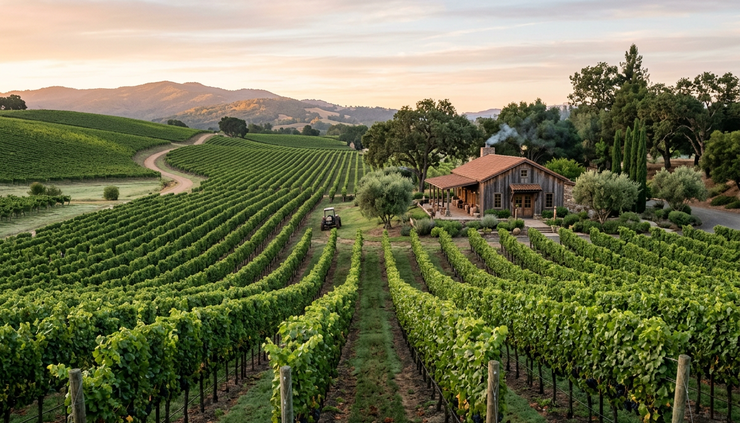
A DTC assessment turns scattered information into a clear picture
Most winery teams already know parts of their DTC business well. The tasting room manager knows which experiences convert. The club manager knows why members call to pause shipments. The owner knows revenue goals and pressure points. The challenge is that these details often live in separate places.
A Comprehensive DTC Assessment brings those pieces together.
Petrillo Advisory Group reviews the core areas that shape the customer journey, including:
Tasting room experience and guest conversion
Wine club structure, benefits, and retention
E-commerce flow and purchase friction
Customer follow-up after visits and purchases
Email capture and customer data quality
Shipping, fulfillment, and pickup processes
Internal roles, systems, and reporting habits
The goal is not to criticize what has been built. Boutique wineries often grow DTC programs in real time, with limited staff and changing priorities. The value of the assessment is that it creates a practical, outside view of the whole system.
That outside view can reveal simple issues that insiders have stopped seeing.
For example, a winery might have strong tasting room hospitality but no consistent process for turning visitors into long-term customers. Another might have a loyal club base but outdated benefits that no longer feel special. Another might send beautiful emails but miss basic segmentation that would make the message more relevant.
Boutique wineries need focus more than noise
Small wineries are often told to do more. Send more emails. Add more events. Refresh the website. Build more club tiers. Try more promotions.
More activity does not always create better results.
A good assessment helps the winery decide what deserves attention first. That matters because boutique wineries tend to operate with tight teams. One person may manage hospitality, club communication, order issues, and events. If every idea becomes a priority, execution suffers.
A DTC assessment helps sort ideas into clear categories:
Fix now
Issues that create friction for guests or cost the winery sales.
Watch closely
Trends that need routine tracking before making larger decisions.
Improve next
Areas that are working but could perform better with small changes.
Leave alone
Processes that are serving the winery well and do not need attention yet.
This kind of clarity can be a relief. It lets the winery stop chasing every tactic and focus on the work most likely to support sales, retention, and a better guest experience.
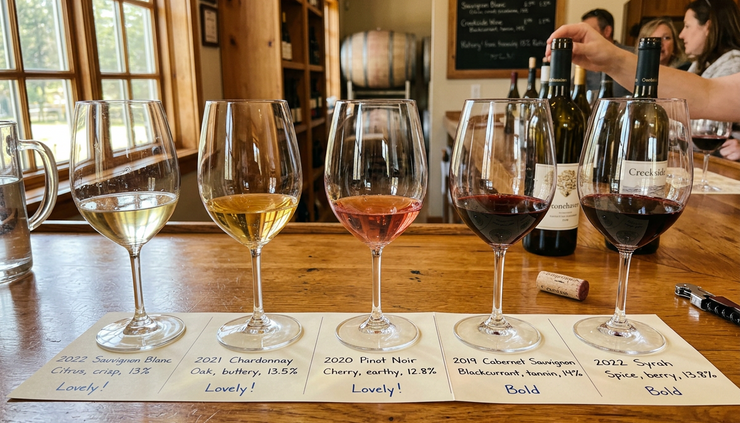
The tasting room is more than a sales channel
For many boutique wineries, the tasting room is the heart of DTC. It is where guests hear the story, meet the team, taste the wines, and decide whether the brand fits into their lives.
That experience should feel warm and personal, not mechanical. Still, it needs a clear path.
An assessment may look at questions like:
Are guests being invited into the wine club in a natural way?
Is staff confident explaining club value?
Are reservation types aligned with the winery’s goals?
Are average order values tracked by experience type?
Does the team capture clean customer information?
Is there a follow-up plan after the visit?
These are not abstract questions. They affect real outcomes. A guest who loved the visit but never hears from the winery again may not return. A guest who would have joined the club may leave without being asked. A loyal customer may buy less because no one suggested a future shipment, event, or library release that fits their taste.
Petrillo Advisory Group helps identify where the tasting room experience can stay authentic while becoming more consistent.
Wine club health needs more than member counts
A growing club list can feel like success, but member count is only one part of the story. Club health also depends on retention, shipment satisfaction, communication quality, benefit use, and how well members understand the value of staying.
A Comprehensive DTC Assessment looks at the club from both sides: the winery’s economics and the member’s experience.
That may include reviewing:
Club tier structure and shipment cadence
Member benefits and perceived value
Cancellation reasons and save attempts
Pickup order aging
Shipment communication
Opportunities for personalization
How club data gets tracked and used
Sometimes the best fix is not dramatic. It might be clearer pre-shipment messaging, better staff prompts for club conversations, or a more thoughtful approach to member anniversaries. Small improvements can make the club feel more personal and reduce friction.
The assessment connects guest experience with operations
DTC performance is not only about hospitality and sales. It also depends on what happens behind the scenes.
If order data is messy, follow-up becomes harder. If pickup communication is inconsistent, inventory and customer service suffer. If staff do not share the same process, the guest experience changes from one visit to the next.
Petrillo Advisory Group reviews the operational side of DTC with a practical lens. The focus is on what the team can actually use, not on adding complexity.
That may mean helping a winery define:
Which numbers to review each week or month
Who owns specific guest follow-up tasks
How to track tasting room conversion
When to review club cancellation patterns
Where customer records need better cleanup
Which reports support better decisions
For a boutique winery, a smoother internal process often leads to a better external experience. Guests feel the difference when communication is timely, staff is prepared, and purchases are easy.
A good assessment ends with priorities, not a binder
The value of an assessment is not the size of the report. It is the usefulness of the next steps.
At the end of the process, the winery should have a clear understanding of its DTC strengths, gaps, and best opportunities. That may include immediate fixes, near-term projects, and longer-range ideas that need planning.
A strong final assessment should answer three simple questions:
What is working well and should be protected?
What is getting in the way of better results?
What should the winery do next, in order?
That order matters. Boutique wineries do not need a long wish list. They need a focused plan that respects their staff, resources, production levels, and brand identity.

The takeaway for boutique wineries
A Comprehensive DTC Assessment gives boutique wineries a clearer way to improve without losing what makes them special. It connects the tasting room, wine club, e-commerce, customer data, and operations into one practical view.
For Petrillo Advisory Group, this work starts with listening closely, understanding the winery’s goals, and identifying the changes that can make the greatest difference. The result is not a generic playbook. It is a grounded plan built around the winery’s actual guests, team, and business model.
For a small winery, that kind of clarity can be the difference between staying busy and building a healthier DTC program.


Comments