
How to Create Storytelling in Your Winery and Tasting Room Social Media

Most winery posts show the bottle. The better ones make people care about the bottle before they ever see the label.
A tasting room has everything storytelling needs: place, people, weather, patience, flavor, small rituals, and moments guests want to remember. The challenge is turning those everyday details into posts that feel human, not staged.
Good content does not require a film crew or a perfect harvest sunrise every week. It starts with paying attention to what already happens around the vineyard, cellar, bar, patio, and team.
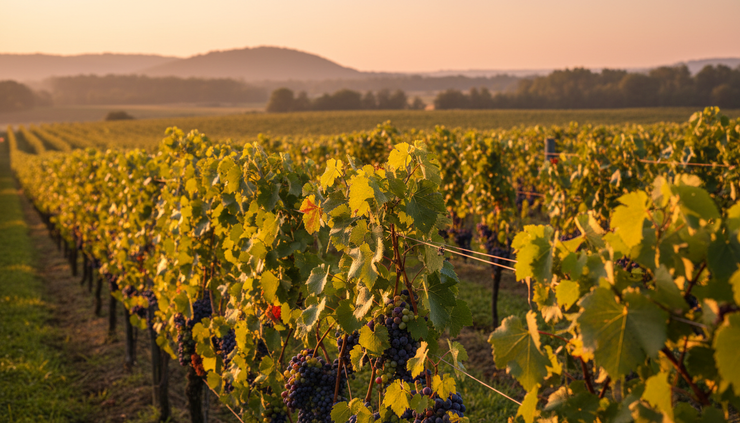
1. Start with the story people can feel
Before posting, ask one simple question: What should someone feel after seeing this?
A winery post can make someone feel:
Curious about a varietal they have not tried
Nostalgic for a slow afternoon with friends
Excited about a seasonal release
Connected to the people behind the wine
Proud to support a real local producer
That feeling should guide the photo, caption, and even the timing of the post.
For example, a photo of fog over the vines is not just “morning in the vineyard.” It can become a short story about the patience of the season, the cool start to the day, and why that weather matters for the fruit.
Instead of writing:
Foggy morning in the vineyard.
Try:
The vineyard was quiet this morning, except for the sound of boots in wet grass. Cool fog like this slows everything down, including the grapes. That patience shows up later in the glass.
The second version gives the scene a pulse. It does not oversell. It helps the reader step into the moment.
2. Build recurring story pillars
Social media becomes easier when you stop inventing from scratch every day. Create a few story pillars that match the natural life of the winery and tasting room.
Think of these as repeatable themes, not rigid categories.
The vineyard
Weather, pruning, bud break, harvest, wildlife, soil, crew routines
The tasting room
Guest moments, flight pairings, patio days, staff favorites, small rituals
The cellar
Fermentation, barrels, blending, bottling, equipment, decision-making
The people
Winemaker notes, team stories, family history, local partners
A strong mix keeps the feed from becoming one long product shelf. Bottles still matter, but they sit inside a bigger world.
For a winery and tasting room, the best story pillars often come from the calendar:
Early spring pruning
First warm patio weekends
Summer events and chilled wines
Harvest mornings
Barrel work in fall
Holiday gatherings and gift sets
Each season gives you a reason to speak, even when there is no major announcement.

3. Turn ordinary tasting room moments into scenes
Tasting rooms create small stories all day long. A guest compares two wines. A server explains why one glass smells like stone fruit. Friends choose a bottle for the table. Someone takes home the same wine they loved on vacation last year.
You do not need to capture private conversations or put guests on camera without permission. You can tell the story through objects and atmosphere.
Look for details like:
A half-full flight with tasting notes nearby
Sunlight hitting polished glassware
A cork pulled from a new release
A cheese board before the first pour
Rain on the patio while guests sit inside
Staff setting out menus before opening
Then write the caption as a scene, not a label.
Instead of:
Come try our Chardonnay flight this weekend.
Try:
This is the flight we pour when someone says they do not usually choose Chardonnay. Three glasses, three textures, and usually one surprised smile by the end.
That caption teaches, invites, and tells a story in one short moment.
4. Give your people a voice
A winery story feels flat if it never includes the people behind it. Guests may come for the wine, but they remember the warmth of the welcome, the server who explained a pairing, or the winemaker who described a vintage in plain language.
Use short first-person notes when they feel natural.
Examples:
“I always pour this red slightly cooler than guests expect. It brings out the fruit before the oak.” Staff tasting note
“This block made us wait this year. That is usually when it gets interesting.” Cellar note
These do not need to sound polished. In fact, they work better when they sound like a real person speaking.
You can also create simple recurring features:
What we are pouring after close
One thing the vineyard taught us this week
Staff pick for a sunny afternoon
The question guests asked most this weekend
Behind the bar before opening
The goal is not to make everyone a personality. The goal is to let the winery feel alive.

5. Write captions with a beginning, middle, and end
Even a short caption can have structure.
A simple storytelling caption can follow this pattern:
Begin with a moment
Set the scene in one sentence.
Add meaning
Share why it matters, what changed, or what people often miss.
End with an invitation
Invite a visit, a comment, a question, or a specific tasting experience.
Here is an example:
The first Syrah cluster came in just after sunrise. The berries were small, dark, and exactly where the cellar team hoped they would be. We will be pouring last year’s Syrah in the tasting room this weekend if you want to taste where this story is headed.
This works because it connects the vineyard, cellar, and guest experience. It also gives people a reason to visit without sounding pushy.
6. Show process without overexplaining it
Educational content is useful, but too much technical detail can slow the story down. The key is to explain one thing at a time.
For example, do not try to cover fermentation, yeast, cap management, and barrel aging in one caption. Pick one detail.
A post about punch-downs might say:
During fermentation, grape skins rise to the top of the tank. The cellar team gently pushes them back into the juice to build color, texture, and flavor. It is physical work, and during harvest it happens again and again.
That is enough. It helps a casual wine drinker understand what they are seeing. It also gives respect to the craft.
Strong storytelling in social media comes from clarity. One image. One idea. One reason to care.

7. Let the tasting room be part of the invitation
A good story should lead somewhere. For a winery, that place is often the tasting room.
Instead of ending every post with “Book now” or “Visit us,” vary the invitation based on the story.
Try softer, more specific endings:
Ask us to pour these side by side on your next visit.
This bottle is open on the weekend flight.
If you like lighter reds, start here.
The patio is the place for this one while the weather holds.
Save this for your next tasting room stop.
These lines feel helpful because they connect the post to a real guest experience.
Keep the story close to the glass
The best winery content does not need to chase trends. It needs to make the wine feel rooted in a place, a season, and a group of people who care about what they pour.
Start with what happened today. A wet vineyard row. A barrel sample. A new guest favorite. A quiet tasting room before the doors open.
Tell that moment clearly, add why it matters, and invite people to experience the next part in person. That is how your social media starts to feel less like a feed and more like a story people want to follow.


Comments