
Why Secret Shopper Visits Are a Smart Move for Tasting Room Owners

A tasting room can look perfect from behind the bar and still feel confusing, rushed, or forgettable to a first-time guest. Owners and managers know the wine, the staff, the layout, and the story. That knowledge is useful, but it can also make it harder to see the visit the way a guest sees it.
That is where a secret shopper visit helps. A trained guest comes in like any other customer, experiences the tasting from start to finish, and reports back on what actually happened. Not what the team meant to do. Not what the training manual says should happen. What the guest felt, heard, noticed, missed, and remembered.
For tasting room owners, that kind of outside view can be one of the simplest ways to improve hospitality, sales, and guest loyalty.
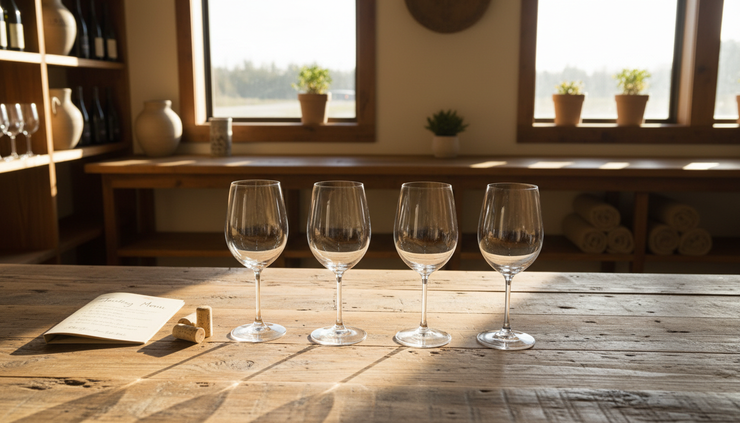
Owners rarely experience the room like guests do
Most owners walk into the tasting room with context. They know which sign is temporary, which staff member is new, which point-of-sale issue is being fixed, and which club pitch should happen at the end of the tasting.
Guests do not have that context.
They notice different things:
Whether parking and entry feel clear
How quickly someone greets them
Whether the tasting options make sense
If the staff seems relaxed or rushed
Whether the wine club offer feels natural
How easy it is to buy bottles before leaving
Small friction points can change the whole visit. A guest may enjoy the wines but leave without purchasing because no one explained shipping. Another may be interested in joining the club but feel awkward asking about it. Another may arrive early and feel ignored because the team was busy setting up.
A secret shopper sees those details while they are still fresh. That makes the feedback more useful than a vague online review weeks later.
Secret shoppers show what training looks like in real life
Training often sounds clear in a staff meeting. Greet guests warmly. Tell the winery story. Ask good questions. Offer club membership. Thank everyone before they leave.
The real test is whether those habits happen on a busy Saturday, during a slow weekday, with a couple celebrating an anniversary, or with a group that does not know much about wine.
A strong secret shopper report can show whether staff members are using the basics consistently. It may answer questions like:
Did the host ask guests what kinds of wine they usually enjoy?
Did the server describe the wines in a way that felt approachable?
Did the team mention vineyard, winemaking, or family details without overwhelming the guest?
Did anyone invite the shopper to buy bottles or join the club?
Did the goodbye feel warm, even if the shopper did not buy?
This kind of feedback is especially useful because it is based on a real visit, not a role-play. It shows how training holds up when no one knows they are being observed.

The visit can reveal missed revenue without pressuring the team
Many tasting rooms lose sales in quiet ways. The wine may be good, the service may be friendly, and the guest may leave happy, but no one made the next step easy.
That next step might be buying a bottle, shipping a case, joining a club, booking a private tasting, or returning with friends. If those options are not explained well, guests often do nothing.
A secret shopper can spot these missed moments. For example, the staff member might pour a limited wine but never mention that it is available only at the tasting room. They might explain the club benefits after the guest has already paid. They might ask, “Do you want anything else?” instead of making a specific, helpful suggestion.
The goal is not to turn hospitality into a hard sell. In fact, the best reports help owners find ways to make sales feel more natural.
A better staff habit might sound like this:
“If you enjoyed the rosé, this is a good one to take home. It tends to sell through before the end of the season.”
That is helpful, specific, and guest-focused. Secret shopper feedback can help teams build more of those moments.
It gives owners a cleaner view than online reviews
Online reviews matter, but they are not always balanced. People often write them when they are thrilled or upset. They may focus on one part of the visit and skip details that would help the owner fix the problem.
Secret shopper visits are more structured. The shopper can be asked to evaluate the whole path, from reservation to checkout. That creates a clearer picture.
A useful report might cover:
Area of the visit | What the report can reveal |
Arrival | Signage, greeting, wait time, first impression |
Service | Warmth, pacing, wine knowledge, ability to read the guest |
Tasting flow | Clarity of options, comfort, timing between pours |
Sales | Bottle offer, club explanation, shipping discussion |
Departure | Checkout experience, thank-you, reason to return |
This structure helps owners separate one-off issues from patterns. If one shopper misses the club invitation, that may be a coaching moment. If several shoppers miss it across different days, the process likely needs work.

It supports better coaching without blame
One reason owners avoid secret shopper programs is fear that staff will see them as spying. That can happen if the results are used only to catch mistakes.
The better approach is to frame the visit as a service checkup. The goal is to improve the guest experience, not embarrass anyone.
Owners can make the process healthier by setting a few ground rules:
Tell the team that secret shopper visits may happen during the season
Share the standards being measured
Review patterns, not just individual errors
Celebrate what went well
Turn weak spots into short, specific coaching points
For example, instead of saying, “You failed to sell the club,” a manager might say, “Guests need to hear the club invitation before checkout. Let’s practice two simple ways to bring it up after the third pour.”
That keeps the focus on behavior, not personality.
A good secret shopper knows what to look for
Not every mystery visit is equally useful. A friend stopping by and giving casual feedback is better than nothing, but it may not be enough. Friends may soften criticism. Regular customers may already understand how the tasting room works. Staff may recognize them.
A good shopper should be able to act like a normal guest, pay attention without disrupting the visit, and write clear notes soon after leaving.
The best reports include both facts and impressions. Facts tell you what happened. Impressions tell you how it landed.
For example:
Fact The server described three of the five wines.
Impression The shopper felt more connected to the wines that included a short vineyard or food pairing note.
That mix gives owners something they can use. It also prevents the report from becoming a simple checklist that misses the human part of hospitality.
The best time to shop is before the stakes are highest
Secret shopper visits can help at any time, but they are especially useful before busy seasons, after staff changes, after a menu change, or before launching a new club offer.
They can also help owners compare different days of the week. A Friday afternoon visit may feel different from a packed Saturday. A weekday appointment may reveal whether the team keeps energy high when the room is quiet.
The key is to treat the visit as a regular business habit, not a last resort after bad reviews appear. One visit can reveal useful details. A few visits over time can show trends.

The real value is seeing the room with fresh eyes
Tasting room owners spend so much time building the experience that it becomes familiar. Familiarity can hide problems. It can also hide what the team is doing well.
Secret shopper visits bring both into view. They show where guests feel welcomed, where they get confused, where the story connects, and where sales opportunities slip by.
The smartest owners use that feedback to make small, steady improvements. A clearer greeting. A smoother tasting menu. A better club invitation. A warmer goodbye.
Those details are easy to overlook, but they shape how guests remember the visit. And in a tasting room, memory is what brings people back.


Comments